

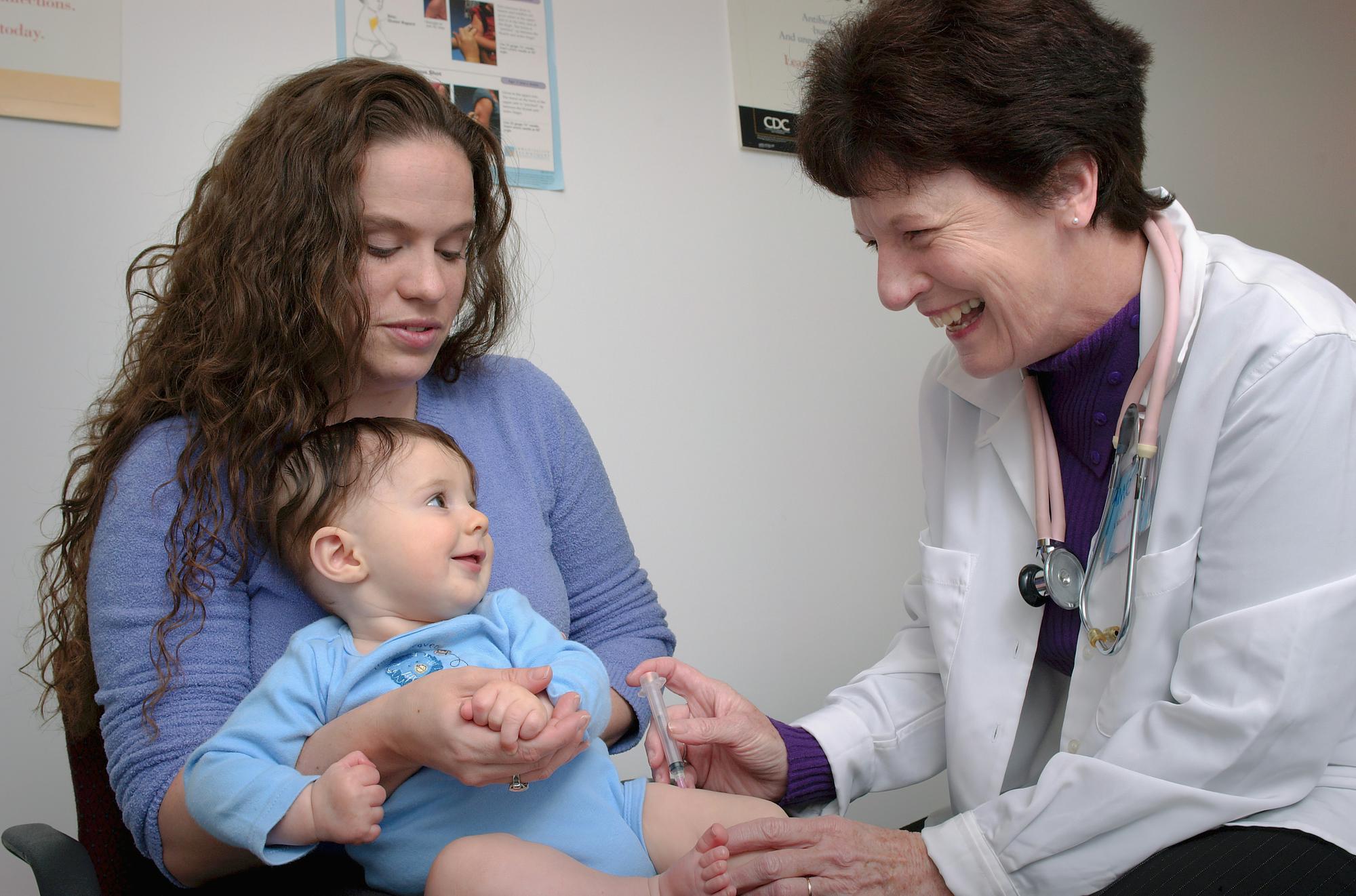
On September 28, 2026, the FDA approved Emcitate (tiratricol) to treat peripheral thyrotoxicosis in patients with MCT8 deficiency, also known as Allan-Herndon-D...
Continue reading

Danon disease is X-linked, and much of the research to date has focused on males. In the latest episode of The Genetics Podcast, Patrick is joined by Jenny Hsie...
Continue reading

In the latest episode of The Genetics Podcast, Patrick is joined by Dr. Jeffrey Barrett, Professor of Computational Predictive Medicine at the University of Hel...
Continue reading

In September 2026, three in vivo gene editing programs reported progress against the same rare disease, aimed at the same mutation. On September 7, YolTech repo...
Continue reading

Sano Genetics and Patients Know Best (PKB) are excited to announce a new partnership to streamline and accelerate clinical trial recruitment processes, launchin...
Continue reading
Every cell in the body picks up changes to its DNA over a lifetime. For most of the history of cancer genomics, researchers could only read those changes once a...
Continue reading

During enrollment planning, genetic eligibility is often treated as a therapy area question, settled once a program knows which organ system it targets. Genetic...
Continue reading

On 17 September 2026, the FDA granted standard full approval to FAYUVI (rebisufligene etisparvovec-hopf), a single-dose intravenous AAV9 gene therapy from Ultra...
Continue reading
In the latest episode of The Genetics Podcast, Patrick sits down with Dr. Marleah Dean Kruzel, Professor of Communication at the University of South Florida. He...
Continue reading

In the most recent episode of The Genetics Podcast, Patrick Short sat down with Dr. Dave Hallett, Chief Scientific Officer at Recursion. Dave has spent nearly t...
Continue reading