Clinical research blog
Explore our blog for insights into the big questions in precision medicine and clinical research.
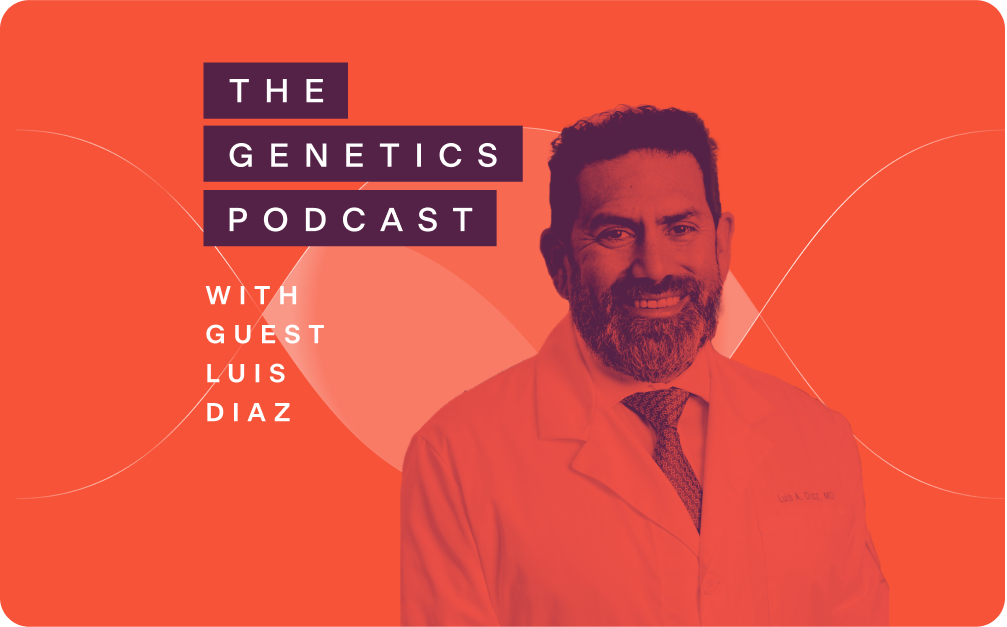
In the latest episode of The Genetics Podcast, host and Sano Genetics CEO Patrick Short explores the evolving landscape of personalized medicine with Dr. Scott Weiss, a Professor of Medicine at Harvard Medical School and Associate Director of the Channing Division of Network Medicine (CDNM) at Brigham and Women's Hospital (BWH).
The integration of precision medicine into healthcare systems presents significant economic opportunities. By focusing on tailored treatments, precision medicine not only promises improved patient outcomes but also drives cost savings and efficiency across the healthcare sector. In this blog, we explore the economic impacts of precision medicine and the necessity of supportive policy measures to fully harness its benefits. This strategy not only fosters economic growth but also improves patient care and enhances the efficiency of the overall healthcare system.
Clinical development is accelerating, yet enrollment continues to be one of the most consistent points of failure. Recruitment delays account for a third of all Phase III timeline overruns — a structural problem that compounds across cost, quality, and time-to-market.
Despite being in the early stages, AI's integration into genomics has already created a wave of change in many aspects of healthcare.
In the latest episode of The Genetics Podcast, host and Sano Genetics CEO Patrick Short explores the world of aging research with Dr. Austin Argentieri. Dr. Argentieri is a research fellow at Harvard and the Broad Institute, working in the Analytical and Translational Genetics Unit at Massachusetts General Hospital. With a background that includes a PhD and postdoc from the Big Data Institute at the University of Oxford, Dr. Argentieri focuses on large-scale analyses to understand the genetic, biological, and environmental determinants of human aging and aging-related diseases.
AI is reshaping how genomic data is interpreted, how patient outcomes are predicted, and how clinical programs are designed. In precision medicine, where decisions depend on complex molecular and phenotypic signals, these capabilities are particularly consequential.
In the latest episode of The Genetics Podcast, Sano CEO Patrick Short sat down with Daniel O’Connor, an expert in regulatory policy for innovative medicines, particularly those focused on rare diseases. Daniel, who spent nearly 20 years at the MHRA (Medicines and Healthcare products Regulatory Agency) and recently joined the ABPI (Association of the British Pharmaceutical Industry), shared his extensive experience and insights into the regulatory landscape of rare disease drug development.
At Sano, we are constantly exploring new ways to use our technology expertise to make a meaningful impact on healthcare. That’s why we’re excited about our partnership with the Lupus Research Alliance (LRA) on a profoundly important project: the Lupus Nexus initiative. This collaboration represents a significant step forward in our efforts to contribute to critical advancements in the field of lupus research.
Genomic data analysis combines computational biology, statistical modeling, and computer science to extract meaningful insight from genetic information. In precision medicine, this analysis is what connects raw sequencing output to actionable decisions: identifying genetic variants associated with disease, determining their functional significance, and informing the design of targeted therapies.
In the most recent episode of The Genetics Podcast, Sano CEO Dr. Patrick Short explored the latest discoveries in genetics and precision medicine with returning guest Dr. Veera Rajagopal. Dr. Veera, a scientist at Regeneron and quarterly guest on our podcast, provided insights into recent influential studies reshaping our understanding of genetic disorders and their implications for medical treatment.