blog-icon

Clinical research blog

Explore our blog for insights into the big questions in precision medicine and clinical research.

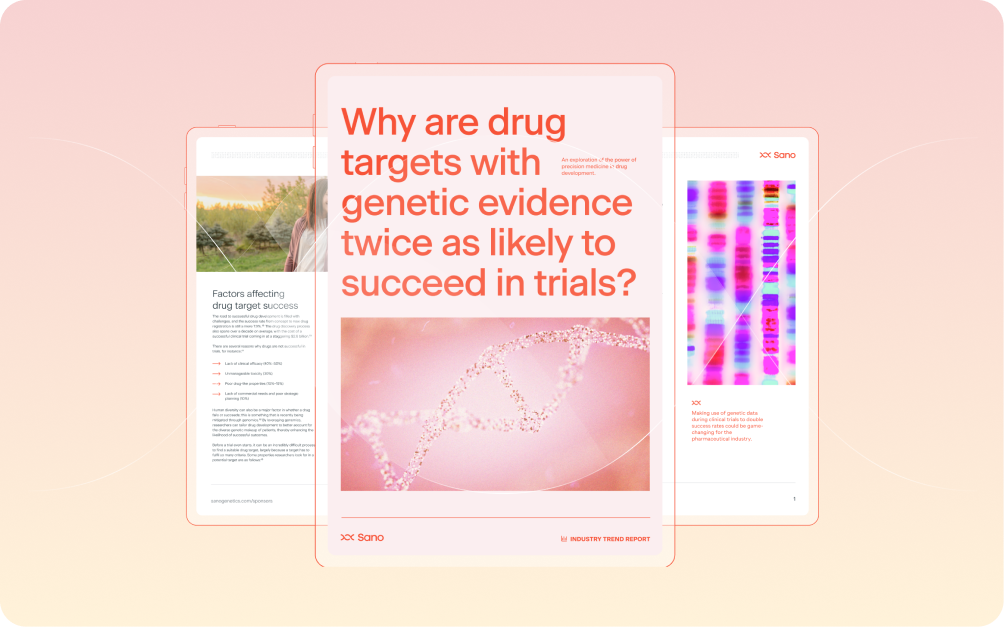
The future of clinical trials: Exploring key trends shaping research

As the landscape of healthcare and technology continues to evolve, clinical trials are undergoing significant transformations. In our latest trend report, we delve into the future of clinical trials, highlighting key trends that are revolutionising the research process. From collaboration and transparency to decentralised trials and patient-centred research, these trends hold the promise of a more efficient, inclusive, and patient-centric approach to medical advancements.

Continue reading

Unlocking the power of genetic testing for Parkinson's disease: A comprehensive guide

Parkinson's disease (PD) is a complex neurodegenerative disorder driven by a combination of genetic and environmental factors. While most cases cannot be attributed to a single cause, a meaningful subset of people with Parkinson's carry identifiable genetic variants linked to the disease. Understanding whether genetics plays a role in an individual's Parkinson's is increasingly relevant, not only for personal insight but also for determining eligibility for gene-targeted clinical trials and emerging precision therapies.

Continue reading

Clinical trial diversity: Practical steps to improve

Clinical trial populations consistently fail to reflect the demographics of the populations most affected by the diseases being studied. This gap is not simply an ethical concern. It is a structural problem that undermines the generalizability of trial results, introduces regulatory risk, and limits the reach of approved therapies.

Continue reading

Clinical trial DNA sequencing: Selecting the right lab

In precision medicine trials, DNA sequencing is not a background step. It determines eligibility, shapes enrollment pathways, and directly influences the quality of data that sponsors use to make clinical decisions. The lab performing that sequencing becomes a critical dependency across the study. A poor choice introduces risk at multiple points: unreliable variant calls, delayed results that stall enrollment, sample handling failures, or data security gaps that create regulatory exposure. 

Continue reading

Why your patient recruitment strategy should include EMR retrieval

In genetically stratified trials, patient recruitment is structurally harder than in conventional studies. Eligibility depends not just on clinical diagnosis, but on confirmed biomarker or variant status — a requirement that most traditional recruitment pathways are not designed to handle.

Continue reading

Clinical trial recruitment: EU vs US trial process

Running clinical trials across the European Union (EU) and the United States (US) means operating within two fundamentally different systems. Regulatory frameworks, healthcare infrastructure, data privacy rules, and cultural expectations around participation all diverge in ways that directly affect how trials are designed, how patients are found, and how engagement is sustained.

Continue reading

How to select the right patient registry for your clinical trial

Patient registries, sometimes called patient databases, are a useful tool in any clinical trial patient recruitment strategy. They help researchers identify potential study participants who meet trial eligibility requirements and have already expressed willingness to participate in research. In addition, they assist with ensuring that the patient pool is representative of the population being studied.

Continue reading

Clinical trial recruitment: Parkinson’s channel mix

Clinical trials play a critical role in developing new treatments and therapies for Parkinson's disease, an age-related degenerative brain condition that causes slowed movements, tremors, balance problems, and more. Parkinson's disease affects more than 10 million people worldwide, and its prevalence is expected to continue to rise as the population ages. However, with some treatment options currently approved and many trials looking for newly diagnosed or treatment-naive patients, recruiting patients for these trials is difficult because many protocols require treatment-naive or newly diagnosed patients.

Continue reading

Webinar recap: Representation Matters: Why equitable access & community engagement are critical in genetic research

This webinar, hosted by Sano Genetics Partnership Lead Lindsey Wahlstrom-Edwards and featuring representatives from COUCH Health, Lupus Research Alliance, and Acclinate, highlighted the importance of equitable access as well as community and patient engagement in precision medicine. The discussion centered on various user research topics and methods, including how to evaluate user feedback effectively and the importance of understanding user needs.

Continue reading

How to pick the right CRO for a clinical trial

Choosing a CRO partner affects every phase of a clinical trial. A mismatch in therapeutic expertise, regulatory experience, or service scope can introduce delays, data quality issues, and compliance gaps that are difficult to correct once a trial is underway. Understanding what to look for before selecting a CRO helps sponsors reduce these risks and build a partnership aligned with their study objectives.

Continue reading