Clinical research blog
Explore our blog for insights into the big questions in precision medicine and clinical research.
- Sano Genetics is the only software platform tailored to running precision medicine clinical trials, leveraging AI to manage all aspects from design to patient recruitment, to genetic and other biomarker testing and patient engagement
- Precision medicine is a fast-growing category - today more than 30% of trials are precision-driven which is predicted to reach 80% by the end of the decade
- Sano Genetics is experiencing huge demand for its product, experiencing 5x growth ARR year-on-year and now serving four of the major pharmaceutical companies
- New funding brings the total raised by the company to $22M to help it meet demand and further automate its processes
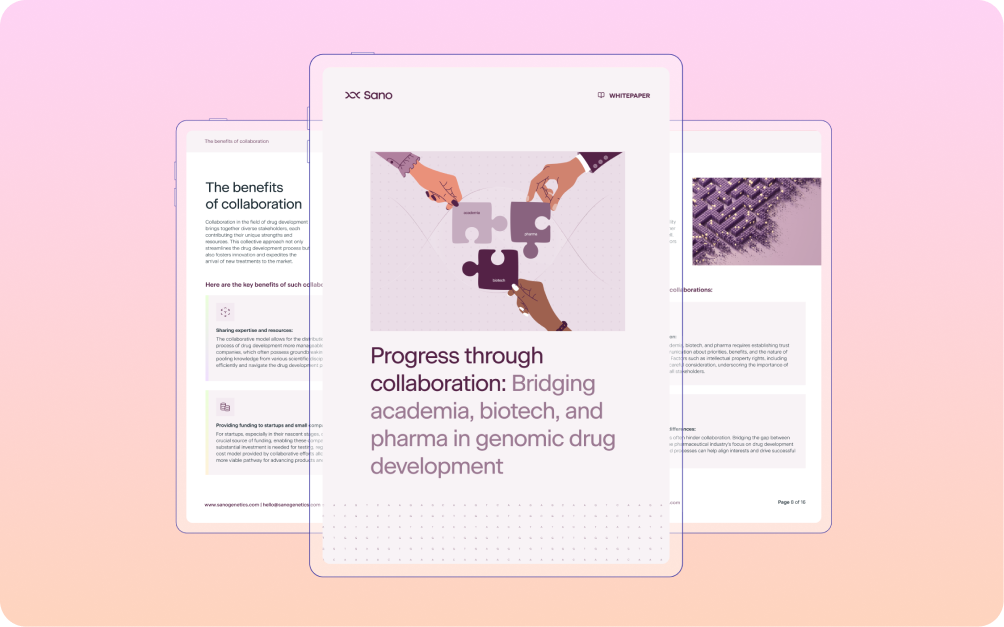
Precision medicine is an approach to treatment and prevention that accounts for individual differences in patients' genes, environments, and lifestyles. Delivering on this approach requires capabilities that no single institution holds alone. Academic research generates foundational biological insight. Biotechnology translates that insight into novel therapeutic concepts. Pharmaceutical organizations bring the scale, regulatory expertise, and infrastructure needed to move those concepts through development and into clinical use. The convergence of these sectors can be considered a structural requirement for advancing precision medicine effectively.
In the ever-evolving field of rare disease research, it's crucial to remain informed about the latest progress. At Sano, our commitment is to stay ahead of these developments. We are excited to offer a curated overview of some of the most significant advancements in rare disease research from the past few months.
Since the advent of precision medicine, there has been a noticeable shift in patient engagement and decision-making in healthcare. Patients are now more vocal and proactive, expressing a strong desire to be actively involved in their healthcare journey. This engagement reflects an increased awareness and understanding of their health needs and options, aligning with the personalised nature of precision medicine. In this blog, we examine precision medicine’s role in empowering patients to be more involved in their healthcare decisions, then explore how this shift is shaping the dynamics between healthcare providers and their patients.
Patient communication in precision medicine trials is prone to specific failure points: complex scientific content that participants cannot easily interpret, consent processes that are dense or unclear, and insufficient feedback channels. When these gaps are not addressed, retention suffers and data quality is compromised. This checklist serves as a guide to ensure companies are taking the right steps to effectively engage and communicate with patients participating in precision medicine research.
Natural history studies play a pivotal role in understanding how diseases develop and progress over time. These observational studies track disease trajectories without experimental intervention and are particularly important in rare disease research, where existing data is often limited. They serve as fundamental benchmarks against which the effectiveness of new treatments can be measured. Over the course of a study, extensive data is collected, including initial diagnosis, clinical observations, treatment history, and patient-reported outcomes on quality of life. This longitudinal data provides the foundation for understanding disease progression, identifying meaningful endpoints, and informing the design of future clinical trials.
Last week, we attended the NASH-TAG conference in beautiful Park City, Utah. Against a winter wonderland backdrop, we dove deep into the latest research on metabolic associated steatohepatitis (MASH, also known as non-alcoholic steatohepatitis or NASH) and connected with leading experts in the field. Here, we’ll share some of our key learnings, underscoring the evolving landscape of liver disease research.
In the ever-changing field of precision medicine, continuous evaluation of data sharing and collaboration practices is essential for biotech and pharma companies. This ongoing assessment is vital to ensure compliance with evolving regulations, protect patient privacy, and foster innovative research. Drawing from our expertise in this area, we've created a straightforward checklist to help these companies responsibly handle genetic and biomarker data and collaborate effectively with third parties.
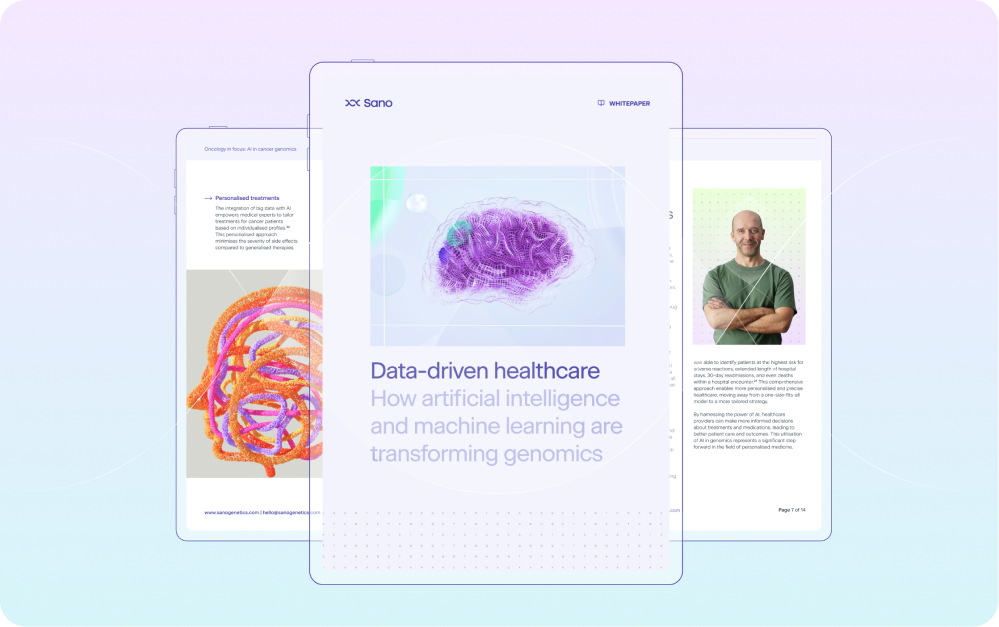
Drug development remains one of the most complex, costly, and failure-prone processes in the life sciences. Traditional approaches rely heavily on trial-and-error experimentation, sequential decision-making, and fragmented data. The emergence of AI, including large language models and generative AI, is beginning to reshape this process, not by replacing human expertise, but by augmenting it across the entire development workflow, from target identification through post-market surveillance.