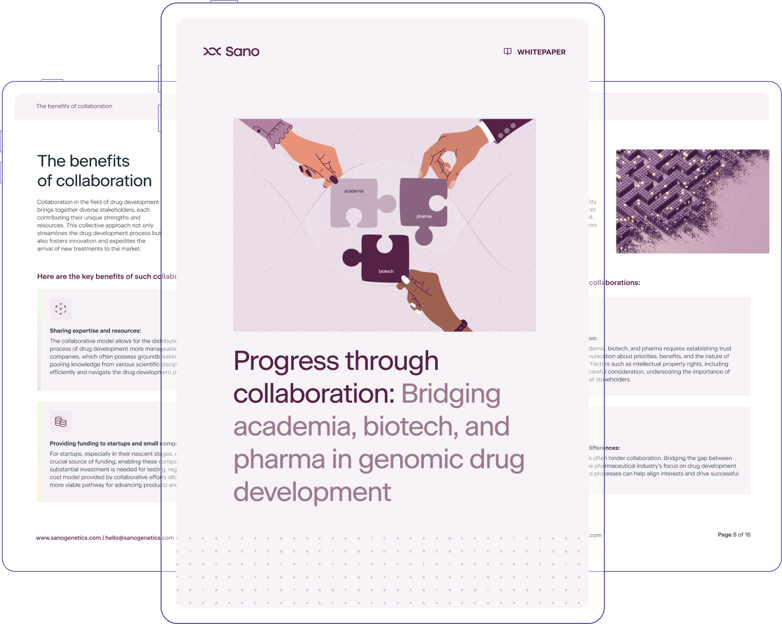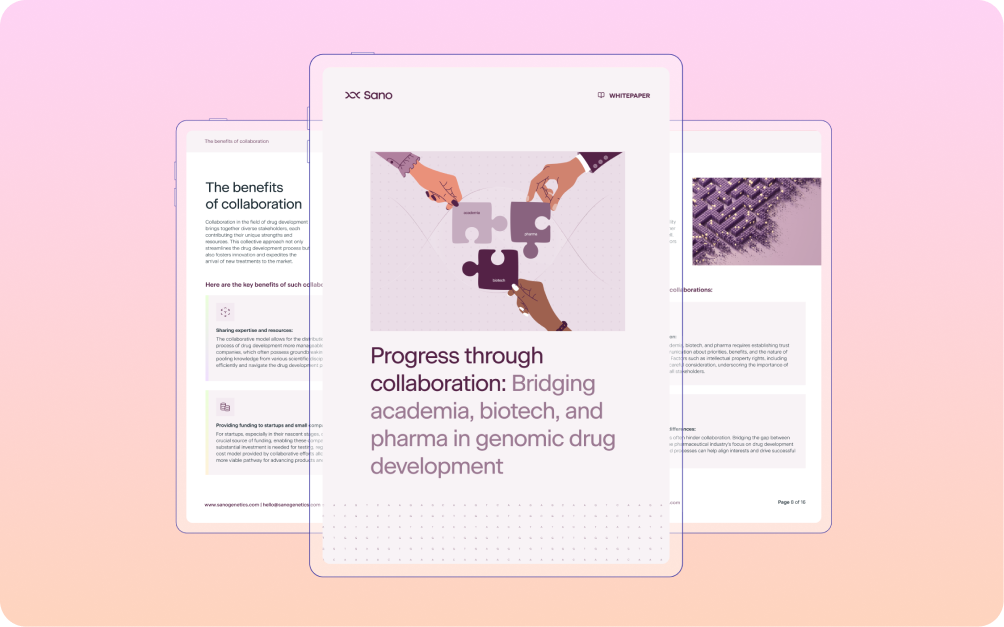

- Collaboration between academia, biotech, and pharma is accelerating the development of precision medicine.
- Dismantling research barriers leads to more streamlined, potent, and relevant drug development processes.
- Successful partnerships require navigating challenges in intellectual property, ethics, and objective alignment.
- The convergence of these sectors is fundamentally reshaping the pathways of modern medical research.
For decades, most treatment decisions were based on the expected response of an average patient. Precision medicine replaces this one-size-fits-all model with approaches informed by individual genetic and molecular profiles. But reaching that level of specificity requires coordinated effort across disciplines. Academic institutions identify disease mechanisms and biomarkers. Biotech organizations develop targeted therapies and diagnostic tools. Pharmaceutical companies design and execute the clinical programs needed to validate those therapies at scale. When these sectors work together effectively, the result is more precise drug development: therapies designed for defined patient populations, tested with the right biomarkers, and brought to patients faster. This is already visible in areas such as precision oncology, pharmacogenomics, and rare disease, where molecular-level insight is reshaping how treatments are developed and delivered. Our whitepaper explores this cross-sector dynamic in detail.
However, successful collaboration is not without its challenges. Key obstacles include:
- Aligning objectives across diverse sectors
- Navigating complex intellectual property issues
- Upholding rigorous ethical and regulatory standards
While these complexities are essential considerations in fostering sustainable partnerships, the substantial real-world impact makes them worth navigating.
The whitepaper covers how cross-sector partnerships are shaping precision medicine today, where the key friction points are, and what effective collaboration looks like in practice. It is a useful reference for teams involved in designing or executing precision medicine programs across academic, biotech, and pharmaceutical settings. Download the whitepaper here.