

- The precision medicine market is shifting focus toward scaling technologies and manufacturing for post-market global distribution.
- Clinical trials are becoming increasingly patient-centric, treating individuals as active participants rather than just subjects.
- Industry growth is fueled by a unique balance of cross-sector collaboration and healthy competition.
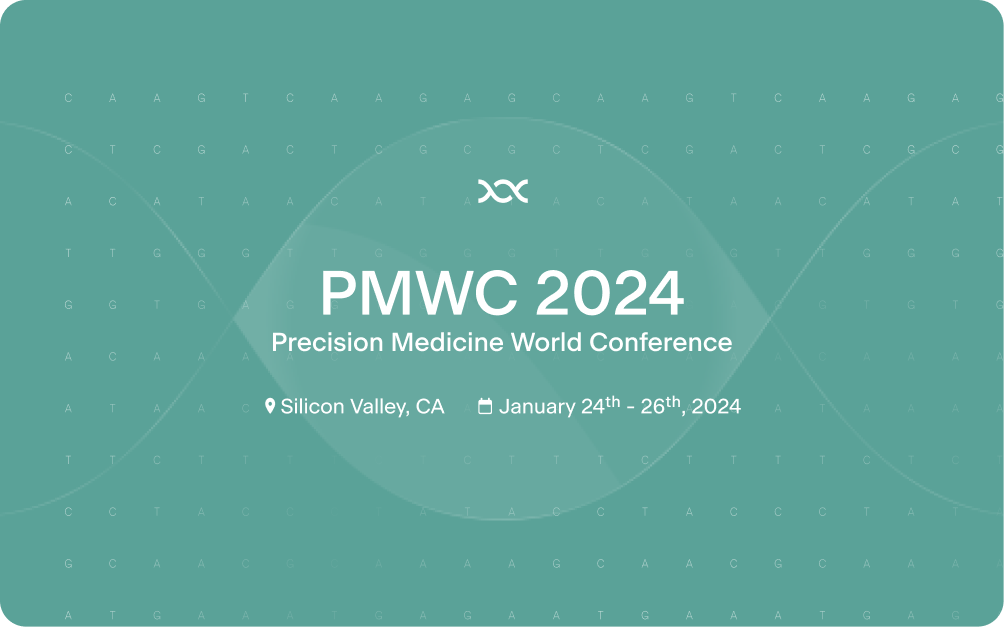
- Events like PMWC 2024 highlight the readiness of the healthcare industry to embrace advanced, personalized therapies.
The growth of precision medicine
The precision medicine market is moving beyond early proof-of-concept. Conversations at the conference focused not only on trial data and R&D, but on the structural challenges of scaling these therapies for routine clinical use. This shift matters because precision medicine represents a fundamental departure from how treatments have historically been developed. Rather than designing therapies for the average patient using a one-size-fits-all approach, precision approaches require identifying the right patients, confirming eligibility at a molecular level, and delivering therapies that may need individualized manufacturing and distribution.
A standout session chaired by Morten Sogaard, featuring insights from Pooja Agarwal, David Kirn, MD, Adrian Veres, and Thomas Wechsler, examined these manufacturing complexities directly. The discussion made clear that bringing advanced therapies to patients worldwide requires coordination across supply chains, regulatory frameworks, and patient identification workflows that most organizations are still building.
Prioritizing the patient experience
A recurring theme at PMWC 2024 was the role of patient experience in precision medicine trials. This is not simply a philosophical shift. In studies where eligibility depends on genetic testing or biomarker confirmation, the patient journey is more complex than in traditional trials. Participants are asked to understand genetic concepts, consent to testing, and engage with results that may have implications beyond the study itself.
This means the way patients experience recruitment, testing, and ongoing participation directly affects whether trials can enroll and retain the populations they need. Precision medicine depends on predicting which treatment strategies will work in which groups of people, but that prediction only works if the right patients are identified, engaged, and supported throughout the process.
Discussions with Jorge Gottheil from GRAIL, Masayuki Kotoku from Akros Pharma Inc., and Fang He from Amgen explored strategies for reducing patient burden in complex studies, including remote engagement models and clearer communication around genetic testing requirements. The consistent message was that patient experience is not a secondary consideration. It is an operational variable that determines enrollment velocity and data quality.
Competition and collaboration in precision medicine
Precision medicine increasingly requires coordination across disciplines and organizations that have traditionally operated independently. At PMWC, this was a recurring theme: sponsors, diagnostic labs, sites, and technology providers are being asked to work together in ways that standard clinical trial infrastructure was not designed to support.
Identifying patients based on molecular fingerprints and genetic subtypes requires alignment across recruitment, testing, data management, and clinical workflows. No single organization controls the entire chain. This means that execution depends on how well these pieces connect, and where gaps exist, patients fall through.
At the same time, healthy competition is pushing the field forward. More organizations are investing in precision approaches, which raises the bar for execution quality and patient experience. At our booth, we saw this dynamic play out on a smaller scale with a buzz wire game asking 'Are you wired for precision?' The winning time of 8.08 seconds was a reminder that precision, whether in medicine or in a game, rewards a steady and deliberate approach.
Conclusion
The three themes from PMWC 2024 — scaling precision therapies, improving patient experience, and building cross-functional collaboration — are not independent challenges. They are interconnected. Scaling requires collaboration. Collaboration depends on patient engagement. And patient engagement in precision medicine demands infrastructure that connects recruitment, genetic testing, and long-term follow-up into a coherent workflow.
For sponsors running genetically stratified or rare disease programs, these challenges are already operational realities. The question is no longer whether precision medicine will reshape trial design, but whether the supporting infrastructure can keep pace.
Thank you to the participants, speakers, and organizers of PMWC 2024. For teams working on precision medicine programs and looking to strengthen their recruitment, testing, or engagement workflows, get in touch here.