
Podcast recap: Arabella Bouzigues on building a global research infrastructure for frontotemporal dementia
 By Joy N. Ismail, PhD
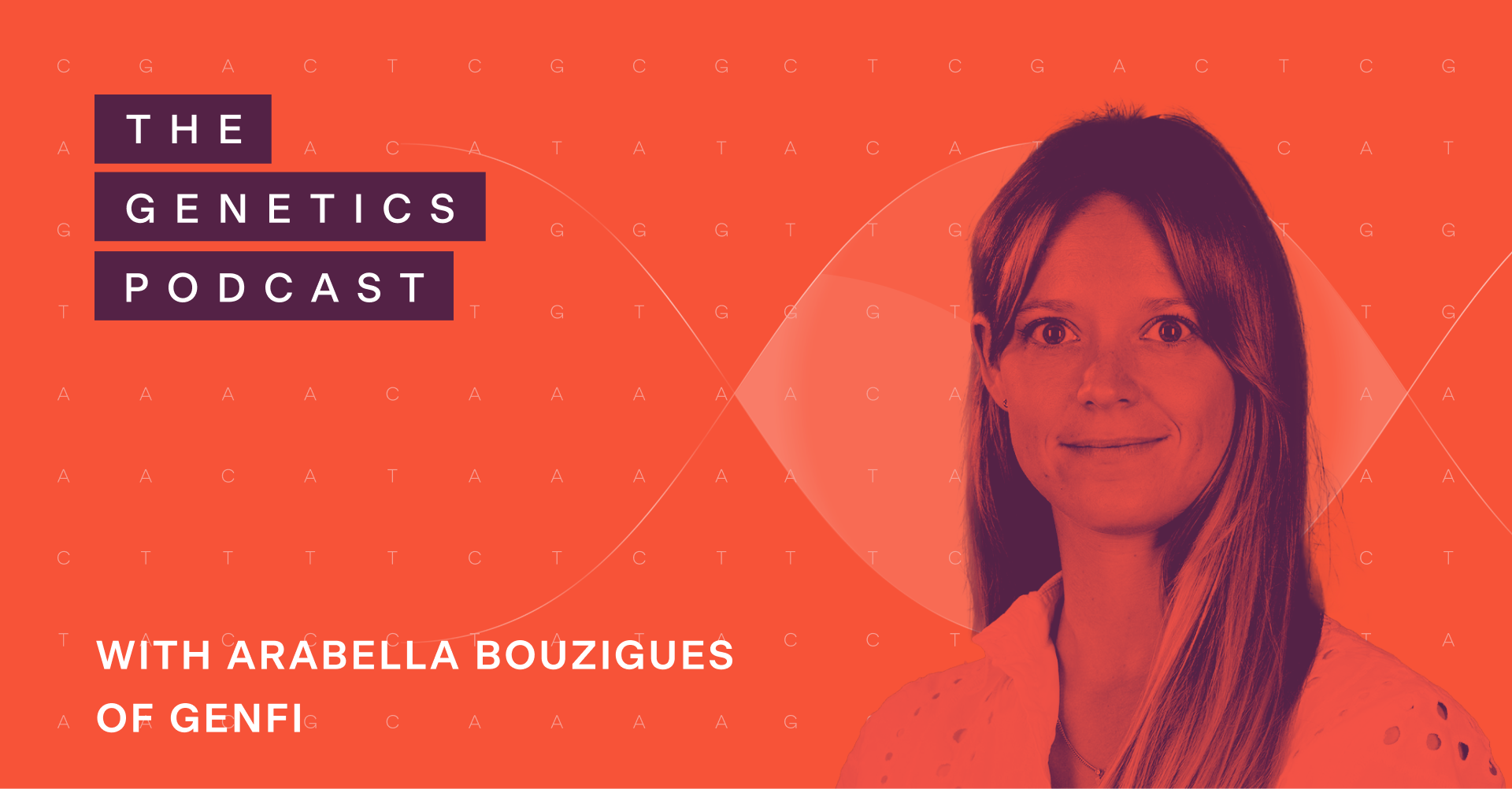
In a recent episode of The Genetics Podcast, host Patrick Short talked with Dr. Arabella Bouzigues, postdoctoral researcher and coordinator of the Genetic Frontotemporal Dementia Initiative (GENFI). The conversation explored how large-scale international collaboration is reshaping our understanding of genetic frontotemporal dementia (FTD), from the earliest biological changes in the brain to the challenges of building and sustaining global research consortia.
The GENFI consortium
Frontotemporal dementia is a neurodegenerative disease that often presents with changes in behavior, personality, or language. These early symptoms can be subtle and are frequently misattributed to psychiatric or social causes, which contributes to delayed diagnosis.
GENFI is a large international research consortium dedicated to understanding genetic forms of FTD by following affected families over time. The consortium has been running for more than 12 years and now includes nearly 50 research sites across Europe and Canada. All sites collect data using harmonized protocols, allowing results to be pooled into a single longitudinal dataset. Today, GENFI follows close to 2,000 participants who are assessed on a yearly basis.
How much of FTD is genetic?
Approximately one-third of FTD cases are caused by inherited genetic mutations. The most commonly implicated genes are C9orf72, GRN, and MAPT.
The same mutation can lead to different clinical presentations, including behavioral, language, or motor symptoms. At present, there is no reliable way to predict which clinical form a person with a specific mutation will develop. GENFI’s ability to follow genetically defined populations over time has been critical for uncovering phenotypic differences across variants.
GENFI participants and data types
GENFI follows symptomatic patients, presymptomatic mutation carriers, and non-carrier family members who serve as genetically matched control participants. Individuals are assessed annually, enabling researchers to track changes over time.
The dataset includes clinical assessments, caregiver and participant questionnaires, cognitive testing, multimodal MRI, blood and cerebrospinal fluid biomarkers, and genetic data. GENFI is also expanding its use of digital biomarkers, including eye tracking, voice recordings, and smartphone-based cognitive tasks. The integration of multimodal data layers can enable several downstream uses, including natural history studies, biomarker validation, and clinical trial readiness.
What happens in the brain before symptoms appear?
In genetic FTD, biological changes in the brain can occur many years, and sometimes decades, before clinical symptoms begin. MRI studies from GENFI show reductions in gray matter volume and cortical thickness in presymptomatic mutation carriers long before diagnosis.
Since these changes are mutation-specific and spatially distinct, the availability of longitudinal imaging data can increase our understanding of disease mechanisms and optimal timing of intervention.
Interpreting early MRI changes
A key challenge is determining whether early MRI differences represent true neurodegeneration or reflect altered brain development. Because FTD mutations are present from birth, some structural brain differences may be developmental rather than degenerative.
This distinction is critical for biomarker development. A useful disease biomarker must reflect active disease progression rather than a static genetic difference. To address this, GENFI has begun studying much younger participants, including children, to better separate developmental effects from early neurodegenerative change.
The role of biomarkers in FTD research
There is no single biomarker that fully captures FTD progression. MRI, fluid biomarkers such as neurofilament light chain, genetics, cognitive measures, and digital assessments each provide different information.
Some biomarkers may be useful for identifying who should enter a clinical trial, while others are better suited for monitoring short-term treatment response or measuring outcomes that are meaningful to patients and caregivers. GENFI’s approach has been to validate a broad panel of biomarkers rather than relying on a single measure.
GENFI’s impact on clinical trials
Several outcome measures and biomarkers developed within GENFI are already being used in clinical trials. These include clinical severity scales, cognitive composite scores, volumetric MRI measures, and fluid biomarkers.
By sharing longitudinal natural history data with industry partners, GENFI helps inform trial design, endpoint selection, and patient stratification, strengthening the connection between academic research and therapeutic development. This represents an excellent example of how long-term infrastructure for data collection can de-risk therapeutic development.
Building and sustaining a global consortium
GENFI operates without a single central funder. Each site secures its own funding for local data collection, while a small coordinating team manages data harmonization, quality control, and international data sharing.
As the consortium has grown, managing increasing data volume and complexity has required new infrastructure, automation, and coordination. Despite these challenges, GENFI’s success is driven by strong collaboration, trust across sites, and shared commitment from researchers, clinicians, and participating families.
Why collaboration matters in FTD research
FTD is a rare and devastating disease with significant unmet need. Patients and families often contribute extensively to research, including repeated clinical visits and invasive procedures, in the absence of available treatments.
This urgency has fostered a highly collaborative research culture. According to Arabella, the willingness to share data, expertise, and resources across academia, industry, and patient communities is one of the field’s greatest strengths. Their success underscores the importance of aligned incentives, meaningful patient engagement, and a sense of shared ownership for building high quality data infrastructure.
Looking ahead to future treatments
There are currently no approved disease-modifying treatments for FTD, but momentum is building. Gene-targeted therapies, improved biomarkers, and better designed clinical trials are beginning to converge.
GENFI’s ongoing role is to provide the longitudinal data, validated measures, and operational foundation needed to support therapeutic development. For trial designers, the consortium offers a model of what is possible when infrastructure is treated as a long-term investment rather than a project-by-project requirement.
Listen to the full episode below.