
Overcoming rare disease trial hurdles: Q&A with Sano's Head of Clinical Engagement

 By Charlotte Guzzo
Rare disease trials are among the most challenging to design and execute. Patient populations are small and hard to reach, and personal and disease-related burdens make participation difficult. Overcoming these challenges requires a combination of thoughtful trial design and compassion for patients and families who agree to participate in trials.
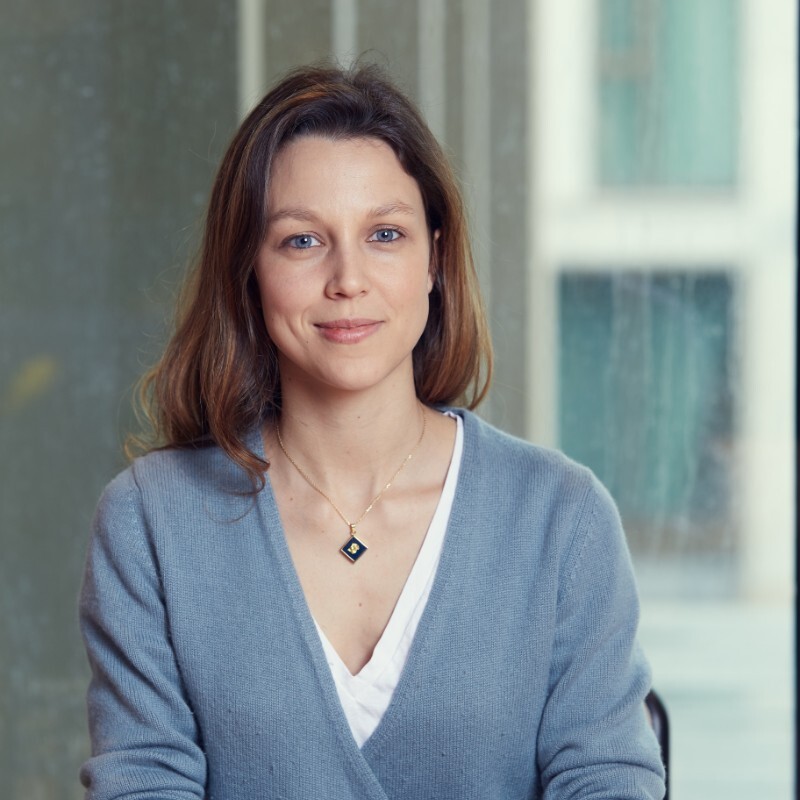
In this conversation, Kendall Davis, Head of Clinical Engagement at Sano Genetics, shares lessons from her experience across rare disease and pediatric drug development. She explains how patient engagement can truly make or break a trial and why listening to patients early is the most powerful tool sponsors have.
Lessons from patient engagement
Q: Could you summarize the biggest lessons you’ve learned from your experience in patient engagement?
“Meaningful and effective patient engagement is highly nuanced. While patients are generally motivated to participate in trials because it allows them to influence the drug development process and advance research, they have to be at the center of the way trials are set up.”
Key challenges
Q: What are some of the biggest hurdles you’ve seen in rare disease and pediatric trials?
“Rare disease trial design is uniquely difficult. Patients are few and often scattered around the world. Finding sites that make sense geographically and logistically for families is a constant struggle. There’s also very little historical data to reference for guidance or comparison, so each program basically has to build from scratch.
Another challenge is balancing the human component with the regulatory endpoints needed to demonstrate efficacy. Patients and caregivers are introducing major disruptions into their lives to participate. Even something that looks minor on paper, like travel requirements, can be the deciding factor between enrolling or not.
In pediatric trials, the complexity is magnified. You’re not only earning the child’s trust, but also that of their parents or caregivers, who must weigh the risks carefully. Medical trauma is also very real for children who undergo frequent tests and procedures. It requires thoughtful, intentional design that too often gets overlooked.
Building trust with patient communities
Q: What strategies have you found most effective for building trust with rare disease communities?
“Start as early as possible. Sponsors shouldn’t treat engagement as a last-minute recruitment tool. Communities are likely to feel offended and engage less if sponsors only show up because enrollment is lagging. As early as the pre-IND stage, most advocacy groups appreciate being included, even if the program might not move forward. It shows respect and builds transparency. Documented evidence shows early engagement can save years and millions of dollars. Engagement should be framed as long-term relationship building, not a transaction.
Another important piece is honest communication about trial burden. Patients are sometimes okay with high-burden protocols, but they need to understand the purpose and impact of what they’re being asked to do. This is where the industry can step up with educational programs that explain why certain tests, visits, or procedures are necessary. When people see how their contributions fit into the bigger picture, it can shift the experience from feeling like a burden to feeling like a meaningful act of participation.
For pediatric trials, engagement has to extend to the entire family unit. Sponsors need buy-in from both the child and their caregivers, which means creating materials for multiple stakeholders: child-friendly explanations, parent-focused risk assessments, and reassurance that trauma will be minimized. Too often, trial design overlooks the emotional toll of study days or assessment visits. Pediatric participation requires thoughtful, intentional planning, because families are doing a very personal risk–benefit calculation in real time.”
Q: How do you approach conversations with families who feel overwhelmed or skeptical about research?
“It’s important to validate the overwhelming feelings associated with participation in trials. Equally, awareness of timing is critical; for example, I wouldn’t present a trial option shortly after a diagnosis as this would be inappropriate. Emotional intelligence matters. We need to meet families where they are and present information in digestible ways.
In cases of skepticism, I try to address the root cause. Sometimes it’s about unclear expectations; other times it’s simply life circumstances. Explaining why certain data are collected, using simple formats instead of a 20-page form, or connecting families with others who’ve participated can help. But the main thing is to listen to the patients and identify what’s driving the hesitation.”
Q: Is there a story or patient experience that has shaped how you approach your work?
“I know a patient advocate who reviewed a protocol where everything looked well thought-out except the seemingly minor point that the travel allowance only covered one caregiver. In reality, this individual couldn’t physically travel without two people to support them. What the sponsors probably thought was a minor detail would have made enrollment impossible. It was eye-opening for the sponsor, who thought they had pressure-tested the design.
Another story that stays with me is from a family whose child has a rare neurodegenerative disorder. Hospital visits were tough, but what made a difference was when staff met them at the curb, knew their child’s name, and offered a balloon. Those human touches recognized how much the family was giving up for the sake of research.”
Q: What lessons have you learned that the broader industry should adopt?
“Feasibility testing from the patient’s perspective is critical. For example, one team I worked with developed a scale to describe study visits in terms of physical and emotional exertion, rather than just listing out tests. That reframing gave families a clearer picture of what participation would feel like.
Another lesson is to review protocols with patients and caregivers early. It’s much cheaper to fix design flaws upfront than to amend protocols later because enrollment failed.”
What patient engagement is not
Q: What misconceptions do you see about patient engagement?
“Too often, companies invite patients to share their story to inspire a team, but they don’t actually apply the insights. That’s a one-way interaction, and it’s frustrating for patients.
We also need to move away from the idea that patients must be ‘resilient’ to deserve support. Families don’t choose these hurdles, and survival is not the same as inspiration. Engagement should lighten their load, not place the onus back on them to adapt.”
Looking ahead
Q: Looking ahead, what innovations could make the biggest difference in rare disease trials?
“I see real potential in AI for logistics, such as scheduling, sending reminders, helping families plan how a visit will impact their day-to-day. It could reduce some of the cognitive load that comes with trial participation.
AI-driven protocol design is also exciting, but we need to remember these are tools, not replacements. Patients still need to be at the center.
Beyond technology, I’m inspired by initiatives like EveryCure, which looks at existing drugs for potential use in rare diseases. Creative, patient-driven approaches like this could transform how we think about drug development.”
Q: What advice would you give sponsors entering rare disease trials for the first time?
“Be patient. Development in rare disease is complex, and timelines are often too aggressive. Rushing into the clinic without truly understanding the community almost always results in delays, amendments, and wasted resources.
Invest time upfront: build relationships with patient groups, do your due diligence, and design thoughtfully. Every rare disease community is different, and engaging them meaningfully from the start will pay off many times over, for both the program and the patients you hope to serve.”
Conclusion
Rare disease trials are associated with several significant hurdles, but they often succeed or fail because of human connection. Kendall’s stories illustrate that thoughtful engagement isn’t just an extra; it’s essential for recruitment, retention, and ultimately bringing new therapies to the patients who need them most.
To learn more about recent advances in rare autoimmune and metabolic diseases, access the report Novel precision therapies in rare disease: From autoimmunity to metabolism here.