
Clinical trial site partnerships in 2025: What sponsors need to know

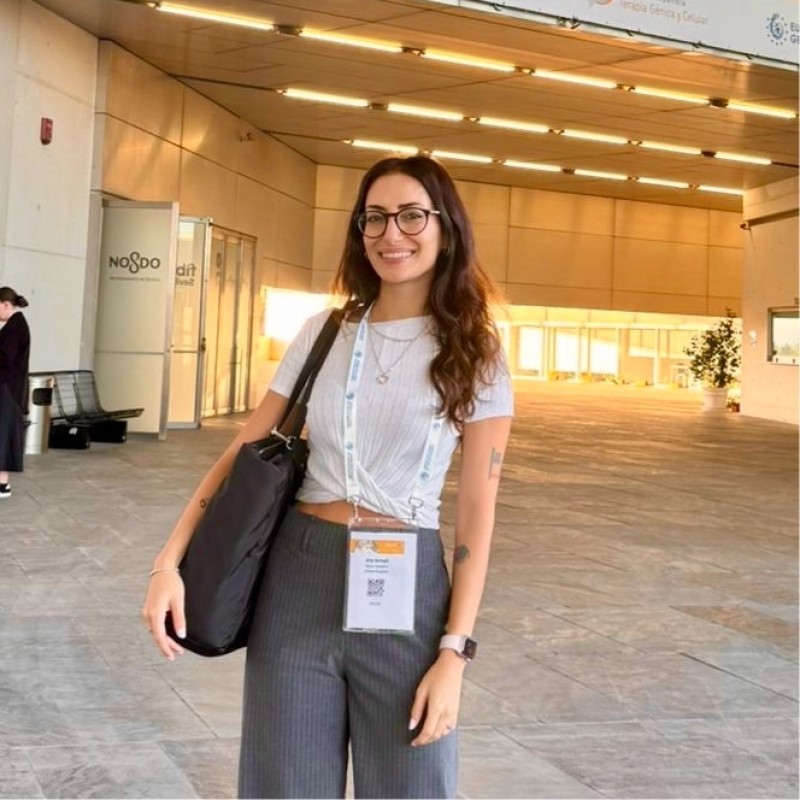 By Joy N. Ismail, PhD
At the Partnerships with Sites summit in September 2025, new data from the Tufts Center for the Study of Drug Development (Tufts CSDD) underscored how the global site landscape is shifting and what this means for trial sponsors. Joan A. Chambers, Senior Consultant at Tufts CSDD, led a session that provided an insightful look at what sponsors need to know now.
With patient recruitment still the most common reason for delays, and trial complexity continuing to rise, sponsors face mounting pressure to adapt their partnerships with investigative sites. In this blog, we cover takeaways from this session that are relevant and valuable for trial sponsors.
Why sites matter more than ever
Patient recruitment remains the single largest barrier to timely clinical trial completion. Only 2–5% of U.S. patients participate in trials, and just 27% of those screened meet eligibility criteria. This attrition drives higher screening costs and longer timelines.
Barriers extend beyond eligibility. Patients often face indirect expenses, logistical challenges, and a lack of support for baseline medications, especially among socioeconomically vulnerable groups. These hurdles contribute to high dropout rates and make retention a critical issue for sponsors seeking representative and efficient trials.
The changing investigative site landscape
The global site ecosystem has diversified dramatically. Clinical research is now being conducted not only at academic medical centers (AMCs) and dedicated research facilities, but also at specialty labs, retail pharmacies, urgent care centers, and through mobile or home-based services.
Traditional part-time community research centers are declining, while large site networks and AMCs have expanded their share of industry grants. Many of the largest networks have attracted private equity and venture capital funding, fueling consolidation and new execution models. For sponsors, this creates both opportunities to scale trials across standardized networks and challenges in managing quality and relationships across different types of sites.
Rising trial complexity and performance impact
Tufts CSDD data reveals how the complexity of pivotal Phase III trials has escalated over the past decade. Endpoints increased by 69%, procedures by 41%, and data points collected by 283%. Despite these increases, the number of patients randomized grew by just 6%.
For sponsors, this complexity translates directly into operational challenges. From 2010 to 2020, enrollment duration increased by nearly 37%, dropout rates more than doubled (up 105%), and substantial protocol amendments rose by 113%. Each of these factors contributes to higher costs, longer timelines, and greater risk of trial failure.
Understanding patient burden
In a study on participant burdens, 54% of volunteers reported that the primary reason they declined to participate in a trial was the expected burden of participation. Concerns about scientific or study risks (25%) and insufficient information (14%) also prevented enrollment.
For those who do participate, the experience often falls short. Post-study feedback revealed that 30% of participants disliked not knowing whether they are receiving the investigational treatment. Others reported that study locations were inconvenient (22%), visits were too time consuming (19%), compensation was insufficient given the demands of the study (16%), or procedures were too cumbersome (15%). These findings illustrate the importance of site accessibility, clear communication, and participant-friendly trial design.
Decentralization, technology, and resource models
In response to these pressures, sites are increasingly incorporating decentralized clinical trial (DCT) elements such as telehealth, wearables, apps, and home-based electronic clinical outcome assessment (eCOA). More than half of trials now include at least one DCT component. Technology adoption is expected to enhance diversity, improve retention, accelerate enrollment, and boost trial efficiency.
Resource provision is also evolving. For example, home visits are typically funded by sponsors or contract research organizations (CROs), while mobile units and community-based services vary depending on whether the site is academic or commercially operated. Sponsors that tailor support to site type and patient population can better optimize trial operations.
Key challenges for sites
Despite these advances, common challenges persist. Protocol complexity, patient access, and staff turnover remain significant across all site types. Financial pressures are particularly acute within for-profit networks, while communication issues with CROs continue to strain relationships. Sponsors should account for these realities when designing site partnerships, providing not just protocol guidance but also operational support.
Looking ahead for sponsors
The Tufts CSDD findings make clear that partnerships with sites must evolve in step with trial complexity and patient needs. Sponsors that embrace fit-for-purpose models, which may include customizing decentralized elements, addressing patient burden upfront, and investing in sustainable site relationships, will be best positioned to deliver on both scientific and operational goals.
Sites are no longer just trial endpoints. They are critical partners in innovation, patient access, and trial success. For sponsors, the future of clinical development will hinge on balancing efficiency with accessibility and creating partnerships that sustain both site performance and patient engagement.