
- Expanded Screening: Newborn screening is evolving to include a wider range of genetic conditions, enabling earlier medical interventions.
- Ethical Frameworks: Consent, privacy, and the psychological impact on families remain critical considerations for widespread adoption.
- Technological Precision: Genome sequencing offers unprecedented accuracy in diagnosis but requires addressing costs and healthcare integration.
- Collaborative Future: Success in precision medicine depends on ongoing dialogue between geneticists, healthcare providers, and families.
About the speakers
.png?width=289&height=291&name=Group%2048095530%20(6).png)
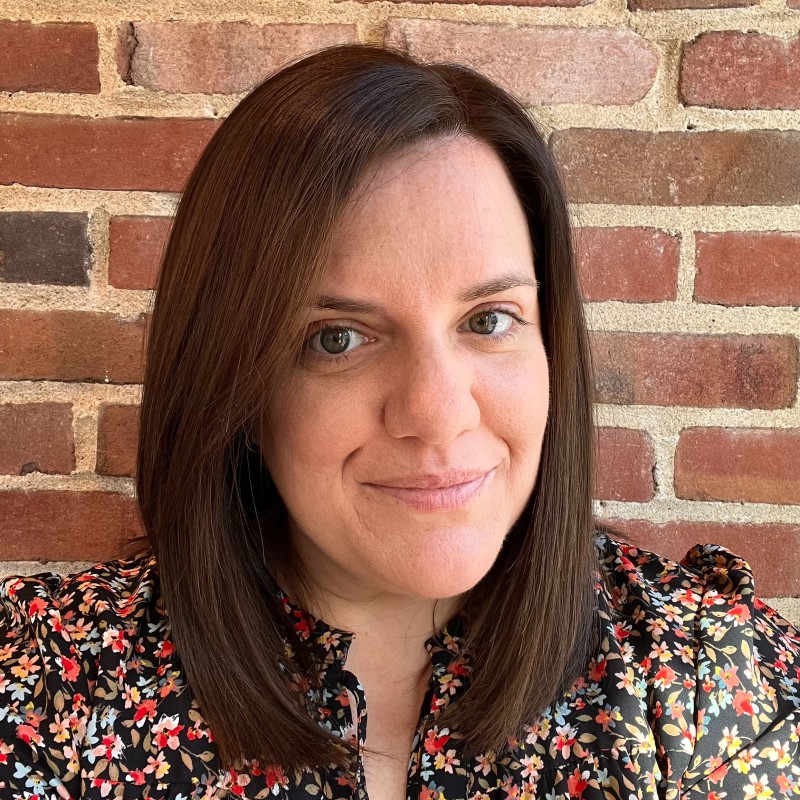
Wendy Chung, M.D., Ph.D
Wendy Chung is a clinical geneticist specializing in neurodevelopmental disorders who currently serves as the Chair of Pediatrics at Boston Children's Hospital and Harvard Medical School. Her educational journey includes a B.A. in biochemistry and economics from Cornell University, an M.D. from Cornell University Medical College, and a Ph.D. in genetics from The Rockefeller University. Dr. Chung's extensive research has led to the discovery of over 60 genes associated with human diseases, including several neurodevelopmental syndromes named after her. Her research has advanced understanding of autism spectrum disorder, spinal muscular atrophy, and rare genetic conditions, including through participation in the Supreme Court case against gene patents.
.png?width=289&height=291&name=Group%2048095531%20(2).png)
Holly Peay, Ph.D., MS, CGC
Holly Peay is a Senior Research Public Health Analyst at RTI International and an adjunct Assistant Professor at the Johns Hopkins Bloomberg School of Public Health. She earned her MS from the University of South Carolina School of Medicine. Dr. Peay's work primarily focuses on newborn screening, including leading the Early Check research study in North Carolina. This study aims to develop and evaluate methods for screening conditions not currently part of the routine newborn screening panel. She has a long-standing interest in Duchenne muscular dystrophy and brings a unique combination of bioethics, social science, and genetic counselling to her work.

Kira Dineen
Kira Dineen is a prenatal genetic counselor known for her work in genetics communications and public engagement. With a background in genetic counselling, she is known for her efforts in making complex genetic information accessible and understandable to the public through avenues such as her multi-award winning podcast “DNA Today.” Dineen often works at the intersection of genetics and media, using various platforms to educate about newborn sequencing and its implications. Her work focuses on translating complex genetic concepts into accessible public communication, with a particular emphasis on newborn sequencing and its clinical implications.

Patrick Short
Patrick Short is a Cambridge-trained PhD geneticist with a background in large-scale genome sequencing and rare disorders. He founded Sano to connect genetic testing, participant recruitment, and long-term study engagement within a single research infrastructure.
Highlights from the webinar
The discussion underscored the potential of large-scale newborn screening programs, highlighting several critical areas:
- Expanding screening scope: The panelists shared insights into how newborn screening is evolving to include a broader range of genetic conditions to improve outcomes through timely intervention.
- Ethical and practical considerations: Discussion focused on consent, privacy, and the psychological impact on families, highlighting the need for clear ethical guidelines.
- Technological advancements: Genome sequencing offers high precision but raises questions regarding cost, accessibility, and integration into existing healthcare frameworks.
- Future directions: Speakers emphasized the need for collaboration among geneticists, healthcare professionals, and families to navigate the challenges of newborn screening.
Summary
The conversation surfaced a set of interconnected challenges — expanding what gets screened, managing the ethical and consent implications of that expansion, and ensuring that the infrastructure to act on results is in place. These are not isolated questions; they connect protocol design, family communication, and healthcare system readiness. Watch the full webinar here.